Understanding VAT: A Comprehensive Guide for Business Owners
Value Added Tax (VAT) is a vital element of the business landscape in the UK and Europe. This article provides a succinct yet comprehensive overview of VAT, focusing on its implications for business owners and finance professionals. Key insights include its definition, registration thresholds, reclaiming processes, common rates, and the importance of compliance.
What is VAT?
VAT is a consumption tax imposed on most goods and services sold in the UK and European Union (EU). Unlike taxes paid directly to the government, VAT is collected by businesses from consumers at the point of sale. Essentially, it is the end consumer who ultimately bears the cost of the tax, which is then remitted to the tax authorities by the business.
Key Features of VAT
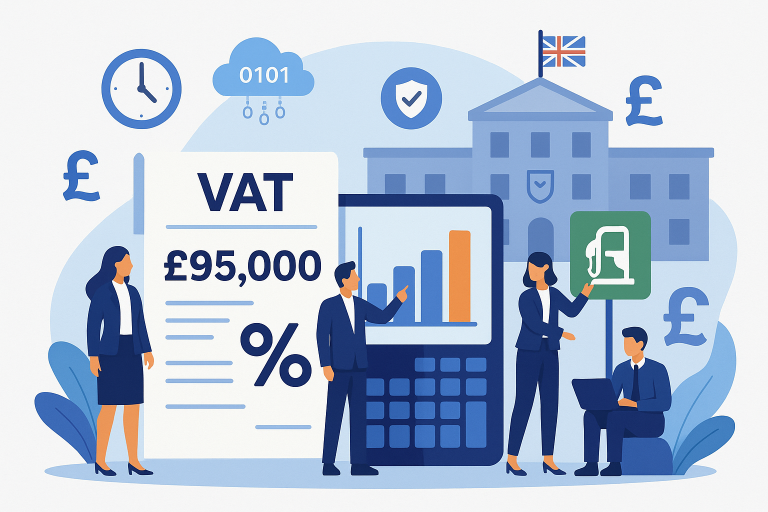
- VAT Registration Thresholds: In the UK, businesses must register for VAT if their taxable turnover exceeds £90,000 in a rolling 12-month period. Smaller businesses can voluntarily register.
- Reclaiming VAT: Registered businesses can reclaim VAT on eligible business expenses, allowing them to offset their input VAT against the output VAT they collect.
- Common VAT Rates: The UK has three main VAT rates:
Rate Type Description Current Rate Standard Rate Applicable to most goods and services 20% Reduced Rate Applies to certain goods and services, such as domestic fuel 5% Zero Rate Applies to goods like food and children’s clothing 0%
Why Understanding VAT Matters
For business owners and accountants, a solid grasp of VAT is essential for several reasons:
- Compliance: Non-compliance with VAT regulations can result in penalties, back payments, and damaging reputational issues.
- Pricing Strategy: Understanding VAT impacts pricing decisions, ensuring that customers are charged appropriately while maintaining competitiveness.
- Cross-Border Trade: For businesses engaging in international trade within the EU, unique VAT rules (like the distance selling threshold) can apply, affecting how they charge VAT for cross-border sales.
Best Practices for VAT Compliance
- Regularly monitor your taxable turnover to determine if you need to register for VAT.
- Keep meticulous records of all sales and purchases to facilitate accurate VAT reporting.
- Stay updated on VAT rates and compliance requirements, as these can change based on government policy.
- Utilize reliable accounting software that can help automate VAT calculations and submissions.
For more information regarding VAT rules in the UK, visit the HM Revenue & Customs (HMRC) website.
Conclusion
In conclusion, VAT is a crucial aspect of doing business in the UK and Europe. By understanding its mechanics, compliance requirements, and implications for pricing and trade, business owners can make informed decisions, ensuring sustainability and profitability in their operations.