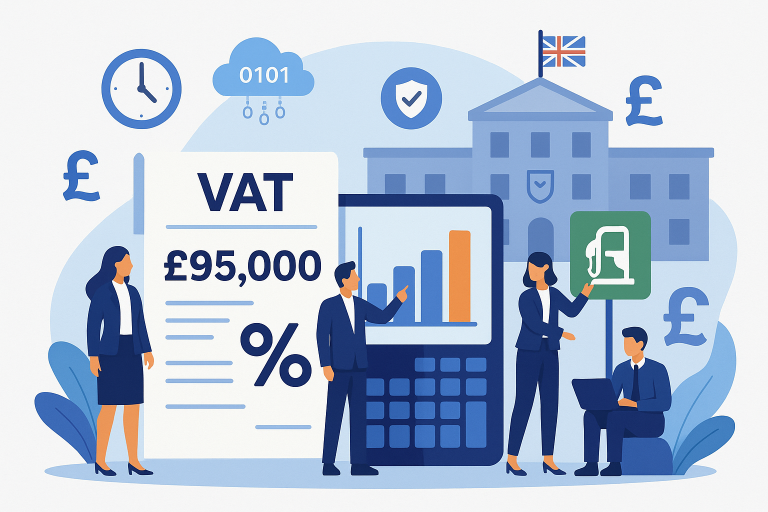

Chancellor Rachel Reeves’ Autumn Budget 2025 marked a significant policy shift in how the UK plans to support small and medium-sized enterprises (SMEs), drive economic growth, and modernise VAT compliance. For business owners and finance professionals, understanding the implications of the budget is critical to maintaining compliance and seizing new opportunities. This article outlines the key VAT-related changes, practical impacts on SMEs and VAT-registered entities, and necessary compliance actions following the 2025 fiscal announcements.
Key VAT and Tax Highlights from the Autumn Budget 2025
The Autumn Budget introduced several targeted changes to VAT legislation and business taxation aimed at stimulating investment, improving productivity, and simplifying compliance. Below are the main highlights:
- New VAT registration threshold: £95,000 from April 2026
- VAT deregistration threshold raised in parallel to £93,000
- Expansion of “Green VAT Reliefs” for energy-efficient technology and services
- Extension of the VAT domestic reverse charge to telecoms and digital construction services
- Reintroduction of the SME VAT Digital Compliance Fund
1. VAT Registration and Deregistration Threshold Increases
Thresholds Adjusted from April 2026
To ease the compliance burden on small businesses, the government will increase the VAT registration threshold from £90,000 to £95,000 and the deregistration threshold from £88,000 to £93,000, effective April 1, 2026. This is the first real-terms increase since 2017 and reflects inflation-linked growth in turnover, especially for service-based microbusinesses.
Implications for Businesses
Fewer businesses will need to register for VAT, resulting in reduced administrative costs. However, voluntary registration may still be advantageous for some businesses able to reclaim input VAT. A review of turnover forecasts and VAT liabilities is recommended before the new fiscal year.
Compliance Action: VAT Threshold Review Checklist
- Review previous 12-month turnover monthly to monitor breach of the new threshold
- Reassess cost/benefit of voluntary VAT registration based on customer type and input costs
- Ensure any threshold impacts are reflected in pricing and invoicing from April 2026
Full guidance is available via HMRC VAT threshold guidance.
2. Green VAT Relief Expansion for Sustainable Technology
As part of the UK’s net-zero strategy, the budget announced an expansion of VAT reliefs for environmentally sustainable technologies. From April 2026, VAT at the zero rate will be extended to:
- Electric vehicle (EV) charging infrastructure for business premises
- Heat pumps including commercial installations
- Battery storage attached to solar panels and standalone systems
Example: Commercial VAT Relief
A business that installs EV chargers on its premises after April 2026 will not pay VAT on the supply and installation, provided the services comply with HMRC criteria. This could lower capital expenditure and improve ROI for green infrastructure.
Further detail is available on the HMRC Energy-Saving Materials VAT Guidance.
3. VAT Domestic Reverse Charge Expansion
Scope Now Includes Digital Infrastructure and Telecoms
From July 2026, the domestic reverse charge mechanism will extend to cover intra-UK supply chains in the following sectors:
- B2B fibre-optic and broadband installation
- 5G tower equipment and infrastructure supply/installation
- Cloud-based building automation systems
This aims to tackle VAT fraud comparable to that previously addressed in the construction industry.
Compliance Tips
- Ensure invoicing systems can apply reverse charge formatting for newly covered services
- Train finance and sales teams on identifying applicable supplies and issuing correct VAT invoices
- Review contracts with telecom and infrastructure partners to ensure VAT treatment accuracy
More details can be found in HMRC’s domestic reverse charge guidance.
4. SME VAT Digital Compliance Fund Relaunched
The revised fund allocates £150 million to help SMEs invest in VAT software, training, and systems integration through 2027. Grants of up to £2,500 per business will be provided to eligible applicants adopting MTD (Making Tax Digital) compliant tools.
Eligibility will favour VAT-registered SMEs with turnover under £500,000, especially those newly entering the VAT system due to past threshold changes.
Steps to Access Support
- Register interest via the HMRC digital grant portal (opening Q1 2026)
- Provide quotes or contracts for software, training, or migration
- Verify VAT registration and financial history
Sign up for updates on the HMRC Making Tax Digital page.
5. Top 5 Autumn Budget Surprises for VAT and Tax
| Surprise | Description | Business Impact |
|---|---|---|
| 1. VAT threshold rise | Increased to £95,000 from April 2026 | Relieves smaller businesses from VAT compliance |
| 2. Extended green VAT reliefs | Zero-rated VAT for more energy-saving equipment | Reduces cost of sustainability investments |
| 3. Telecoms reverse charge | Now included in domestic VAT anti-fraud measures | Requires updates to VAT accounting and invoicing |
| 4. Reintroduction of digital compliance grants | £150m fund to help SMEs modernise VAT systems | Financial support for MTD compliance expansion |
| 5. Early consultation on EU VAT equivalency | Review launched on alignment with evolving EU digital VAT rules | Opens future dialogue on cross-border compliance simplification |
Looking Ahead: Preparing for VAT Changes Post-Budget 2025
Practical Recommendations for Finance Teams
- Update turnover forecasts and assess VAT threshold status by Q1 2026
- Review enterprise resource planning (ERP) and accounting software to ensure readiness for reverse charge and digital compliance updates
- Consider early application for VAT digital grant funding when opened
- Engage with sector-specific VAT advisers about new reliefs in construction, green tech, and telecommunications
Conclusion
Chancellor Reeves’ Autumn Budget 2025 signals a clear shift toward digitalisation, sustainability, and simplification across the UK’s VAT system. While many changes take effect in April 2026 or later, now is the right time for UK SMEs and finance professionals to start preparing. Proactive compliance and smart investment in digital tools and knowledge will ensure businesses not only adapt but thrive under the new fiscal environment.