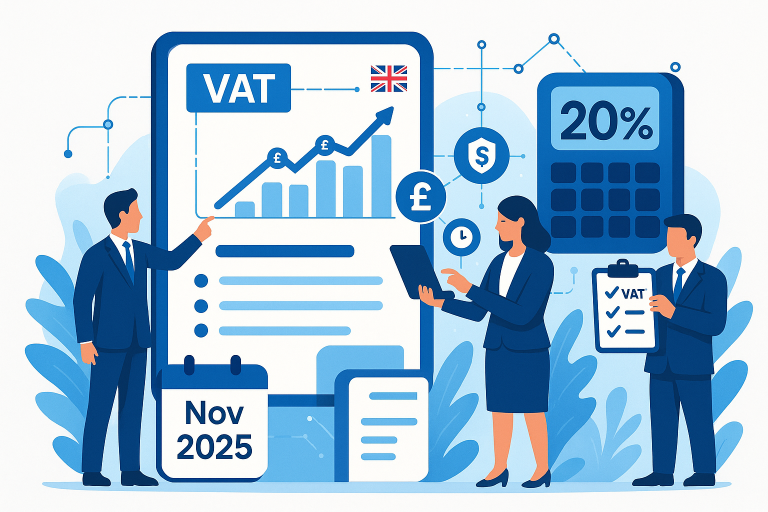
The UK government has announced that the next Autumn Budget will be delivered on 26 November 2025 by Chancellor Rachel Reeves. This major fiscal event is expected to introduce significant policy updates on public spending, taxation, and potentially key reforms to the UK VAT system. With ongoing economic pressures and the government’s commitments to boosting productivity and investment, businesses must be vigilant in monitoring and adapting to any forthcoming VAT developments. This article outlines how companies can prepare for VAT-related changes in the 2025 Budget and stay compliant under current and evolving UK VAT regulations.
What Businesses Should Expect From the Autumn Budget 2025
While the details of the Budget won’t be fully revealed until late November, the government has signalled that tax reform, economic growth, and digitalisation of tax systems are top priorities. UK organisations—especially VAT-registered businesses—should be prepared for potential changes in VAT rates, compliance processes, and reporting requirements. Moreover, businesses trading cross-border with the EU should monitor updates on the UK’s VAT position post-Brexit and expected EU-wide VAT system changes.
Key Areas of Focus
- VAT rate adjustments for specific sectors or goods and services
- Expansion of the Making Tax Digital (MTD) framework
- Changes to VAT registration thresholds
- Reforms to cross-border VAT treatment post-Brexit
Current UK VAT Compliance Requirements
Before any reforms take effect, businesses must continue to meet existing obligations under UK VAT law. If you are VAT-registered, there are core requirements you must comply with:
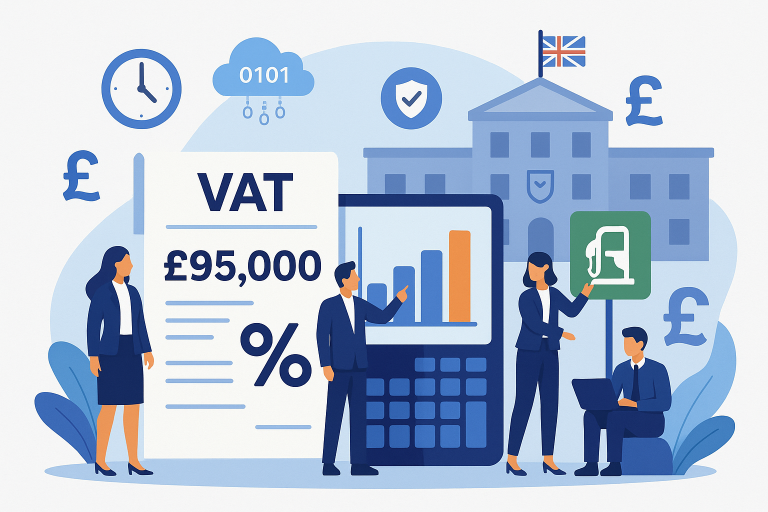
- Register for VAT once your taxable turnover exceeds £90,000 in a 12-month period (2024 figure; subject to change in Budget 2025).
- Submit VAT returns digitally via compatible software in line with Making Tax Digital (MTD) for VAT.
- Issue VAT-compliant invoices and retain digital records for six years.
- Account correctly for VAT on both domestic and international sales, including imports, exports, and supplies under the reverse charge mechanism.
MTD for VAT: Compliance Checklist
All VAT-registered businesses must comply with MTD unless they are exempt. Make sure your processes align with this simple checklist:
- Use HMRC-recognised MTD software to keep records and submit returns.
- Digitally link all records and systems—manual transfer (e.g., copy/paste) is no longer allowed.
- File quarterly VAT returns directly through your compatible software.
- Retain digital evidence of all transactions and adjustments.
Details on approved software and digital record-keeping can be found in HMRC’s official MTD software guidance.
Possible VAT Measures in Autumn Budget 2025
While no specific measures have been confirmed, the following VAT changes are being widely anticipated by industry observers based on previous government initiatives and current economic indicators:
1. VAT Digitalisation and Expansion of MTD
In aligning with government ambitions to digitalise all major tax systems, Budget 2025 may include the formal rollout of MTD for all businesses, regardless of turnover. Currently, only VAT-registered businesses over the threshold are required to comply.
2. VAT Rate Revisions
There is speculation that the government may revisit VAT rates for certain key industries, such as hospitality, green energy installations, or digital products. Monitor updates on potential standard, reduced (5%), or zero-rated treatment changes that could impact your pricing and accounting systems.
3. VAT Threshold Changes
The current VAT registration threshold of £90,000 may be raised or lowered to encourage business growth or increase government revenue. Any change here will affect small and medium businesses nearing this threshold, with implications for pricing and administrative obligations.
Preparing for Autumn Budget 2025: Best Practices
Conduct a VAT Readiness Audit
- Review all taxable supplies and verify correct VAT treatment.
- Reassess whether goods and services are zero-rated, exempt, or subject to reduced-rate VAT.
- Map your digital systems and identify any gaps in digital recordkeeping.
Evaluate Cross-Border Compliance
Post-Brexit, UK-EU trade has changed significantly. Use this opportunity to ensure you are applying the correct procedures to:
- Import VAT Accounting (PVA) and customs requirements
- EU B2C supplies under OSS/IOSS schemes if applicable
- Reverse charge rules on B2B cross-border services
Plan Scenario-Based Budgets
Include scenarios for different potential VAT rates in your financial planning. For example:
| Scenario | Standard VAT Rate | Business Impact |
|---|---|---|
| Baseline | 20% | No change; continue current processes |
| Reduced Rate for Energy Goods | 5% | Lower pricing; adjust invoicing rules |
| Hospitality VAT Reinstated to 12.5% | N/A | Sector-specific planning & cashflow impact |
Relevant Upcoming Deadlines
To stay fully compliant before and after potential VAT reforms, pay attention to the following key UK VAT-related deadlines:
- 26 November 2025 – Autumn Budget Announcement
- End of each VAT quarter – VAT return submission (check your specific dates via your HMRC portal)
- 31 December 2025 – Potential effective date for new policy measures passed in the Budget
Staying Ahead of VAT Policy Developments
The UK VAT landscape—especially under the evolving digital agenda and trade agreements—requires proactive management. Businesses should:
- Subscribe to HMRC updates on VAT changes and news
- Engage your finance team or VAT consultant to model impacts of Budget changes
- Use specialised VAT compliance tools (like VATtools) to streamline documentation, returns, and digital links
Conclusion
As the UK approaches its next major fiscal milestone on 26 November 2025, now is the time for businesses across all sectors to assess and strengthen their VAT compliance. Whether it be digital readiness under MTD or anticipating sector-specific VAT reliefs or obligations, taking a proactive and structured approach will help you remain compliant and competitive in an evolving tax environment.
For ongoing coverage of VAT regulation updates and practical tools to manage your VAT obligations, visit our VAT compliance platform.