What are the UK VAT rates?
The UK has three VAT rates: 20% standard, 5% reduced and 0% zero. All three are taxable, count towards the VAT threshold and let you reclaim VAT on your costs. Exempt and outside the scope sales carry no VAT and work differently for the business.
| Rate | What it applies to | Counts towards the VAT threshold | Can you reclaim VAT on related costs |
|---|---|---|---|
| Standard 20% | Most goods and services | Yes | Yes |
| Reduced 5% | A short list, such as home energy and children's car seats | Yes | Yes |
| Zero 0% | Most food, children's clothes, books, exports of goods | Yes | Yes |
| Exempt | Insurance, finance, most health, some education | No | No |
| Outside the scope | Not a business supply for UK VAT at all | No | Depends |
Removing 20% VAT from a gross price is not the same as taking 20% off it. At the current rate you divide by 1.2 instead.
Example: an invoice for £120 including VAT. £120 ÷ 1.2 = £100, so the VAT is £20. Taking 20% off £120 would give £24, which is wrong. The VAT calculator and the reverse VAT calculator do this for any rate.
What is charged at the standard rate?
The standard rate of 20% applies to everything not given another rate or an exemption. That covers most goods and services, including adult clothing, alcohol, restaurant meals, road fuel and private school fees. If you are unsure, assume standard rate and look for a rule that says otherwise.
- Adult clothing and footwear
- Alcohol, soft drinks, crisps, sweets and chocolate
- Restaurant meals and hot takeaway food
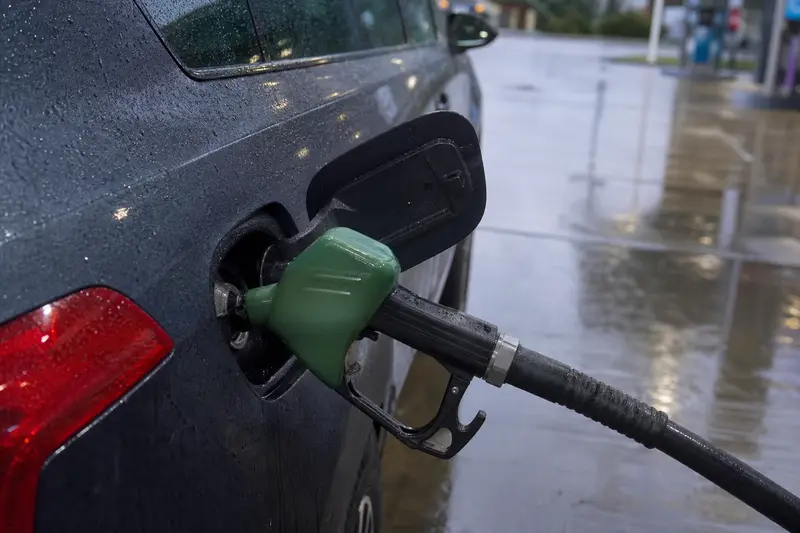
- Road fuel (petrol and diesel)
- Most professional services: accountants, builders on repairs, solicitors
- Electrical goods, furniture, cars
- Private school fees (since 1 January 2025)
Food is the classic trap. Most food is zero rated, but confectionery, crisps, soft drinks, hot food and anything eaten on your premises are standard rated. A cold sandwich to take away is zero rated. The same sandwich toasted, or eaten at a table in your café, is standard rated.
Example: a café sells a toasted sandwich for £4.80 including VAT. The VAT inside it is £4.80 ÷ 6 = £0.80. The same sandwich sold cold to take away carries no VAT at all.
What is charged at the reduced rate?
The reduced rate of 5% covers a short list of goods and services. The main ones are gas and electricity for homes, domestic heating fuel, children's car seats, some mobility aids and smoking cessation products. Some building work on homes is also reduced rated.
- Gas and electricity for homes
- Domestic heating oil and other home heating fuel
- Children's car seats
- Mobility aids for people aged 60 or over, installed in their home
- Smoking cessation products such as nicotine patches
- Some building work, such as converting a building into homes or renovating a home that has been empty for 2 years or more
What is zero rated?
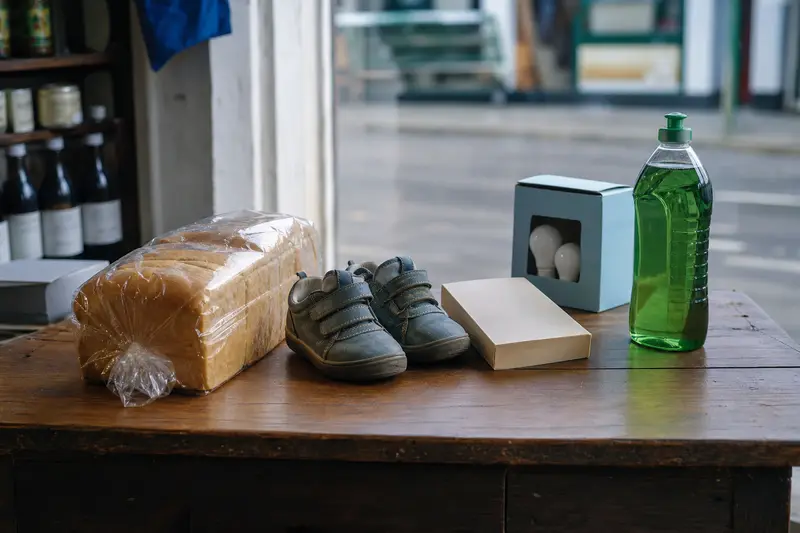
Zero rated sales are taxable, but at 0%. The main examples are most food eaten at home, children's clothes and shoes, and books and newspapers. New homes sold by the builder, bus and train fares and exports of goods are zero rated too. You can still reclaim VAT on costs.
- Most food for people to eat at home, and most animal feed
- Children's clothes and shoes
- Books, newspapers and magazines, printed or digital
- Passenger transport in vehicles with 10 or more seats, such as buses and trains
- The sale of new homes by the builder
- Prescriptions dispensed by a pharmacist
- Women's sanitary products
- Exports of goods to outside the UK
What is exempt from VAT?
Exempt sales carry no VAT and are not taxable supplies. They include insurance, financial services, medical care from registered health professionals, education by eligible bodies, betting, most residential rents and burial. Exempt sales do not count towards the threshold, and you cannot reclaim VAT on related costs.
- Insurance
- Financial services, such as loans and bank charges
- Medical care from a registered doctor, dentist or other health professional
- Education and training by eligible bodies (not private school fees)
- Betting and gambling
- Most residential rents and the sale of old homes
- Burial and cremation
- Postage stamps and Royal Mail universal postal services
What is outside the scope of VAT?
Some money changes hands with no supply for UK VAT purposes. These payments are not exempt, they are simply outside the system. Wages, dividends, true donations, MOT test fees and most services sold to overseas business customers all fall outside the scope.
- Wages and salaries
- Dividends
- Donations where the donor gets nothing in return
- MOT test fees
- Most sales of services to overseas business customers, where the customer accounts for the VAT
Why does zero rated vs exempt matter?
Both mean the customer pays no VAT, so they look the same on a till receipt. For the business they are very different. Zero rated sales count towards the threshold and let you reclaim VAT on costs. Exempt sales do neither.
| Zero rated | Exempt | |
|---|---|---|
| VAT charged to customer | 0% | None |
| Counts towards the £90,000 threshold | Yes | No |
| Can register for VAT | Yes | Only if you also make taxable sales |
| Reclaim VAT on costs | Yes, in full | No |
| Typical example | A bakery selling bread | An insurance broker |
A business selling only zero rated goods often gets money back from HMRC every quarter. It reclaims VAT on its costs and charges none. A business selling only exempt services cannot register, so VAT on its costs is simply a cost.
If you make both taxable and exempt sales, you are partly exempt. You can usually reclaim only the share of VAT on costs that relates to your taxable sales. The exception is when your exempt input tax is small enough to fall under the de minimis limits.
Are VAT rates different in Northern Ireland?
No. Northern Ireland has the same VAT rates as the rest of the UK. Under the Windsor Framework, though, goods in Northern Ireland still follow EU VAT rules. Businesses trading goods with the EU from there use an XI prefix on their VAT number.
Services follow UK rules. For EU country rates, see the EU VAT rates table.
Is VAT going up?
No change to any UK VAT rate has been announced. The Autumn Budget 2025 (26 November 2025) and the Spring Statement 2026 both left the rates where they are. The standard rate has been 20% since 4 January 2011, when it rose from 17.5%.
Any future change would be announced by the government before it took effect. Until then, the rates in this guide stand. Changes we do know about are logged on the VAT changes page.
What to do next
- Add or remove VAT on a price with the VAT calculator or the reverse VAT calculator.
- Check the rate for a specific product in HMRC's official list of VAT rates on goods and services on gov.uk.
- If you make both taxable and exempt sales, ask an accountant how partial exemption applies to you.
- If you sell to EU customers, look up their country in the EU VAT rates table.
This guide is general information. Check gov.uk or ask an accountant about your own case.
Questions
What is the VAT rate in the UK?
The standard rate is 20%. There is also a reduced rate of 5% and a zero rate of 0% for certain goods and services.
Is VAT going up in 2026?
No rise has been announced. The Autumn Budget 2025 and the Spring Statement 2026 kept the rates unchanged.
What is the difference between zero rated and exempt?
Zero rated sales are taxable at 0%, count towards the VAT threshold and let you reclaim VAT on costs. Exempt sales do neither.
Is food VAT free in the UK?
Most food is zero rated, but not all. Sweets, crisps, soft drinks, hot takeaway food and restaurant meals are standard rated at 20%.
Does Northern Ireland have different VAT rates?
No. The rates are the same, but goods in Northern Ireland follow EU VAT rules under the Windsor Framework.
Figures in this guide come from our rules file, last checked against HMRC on 4 October 2026.