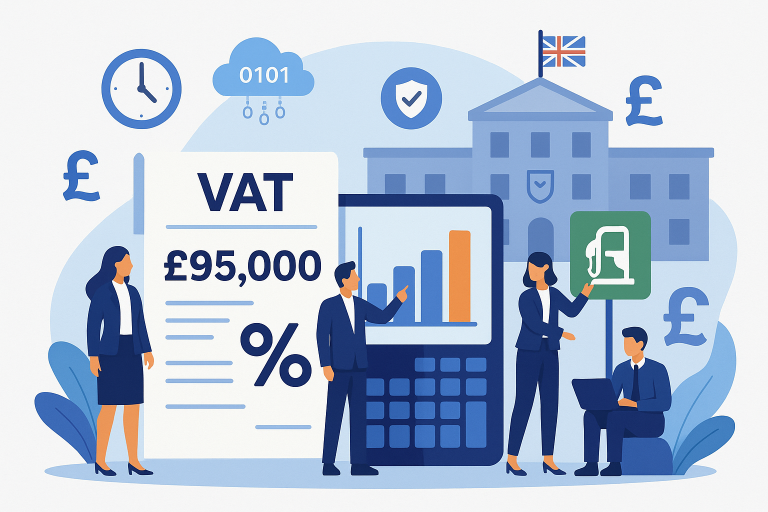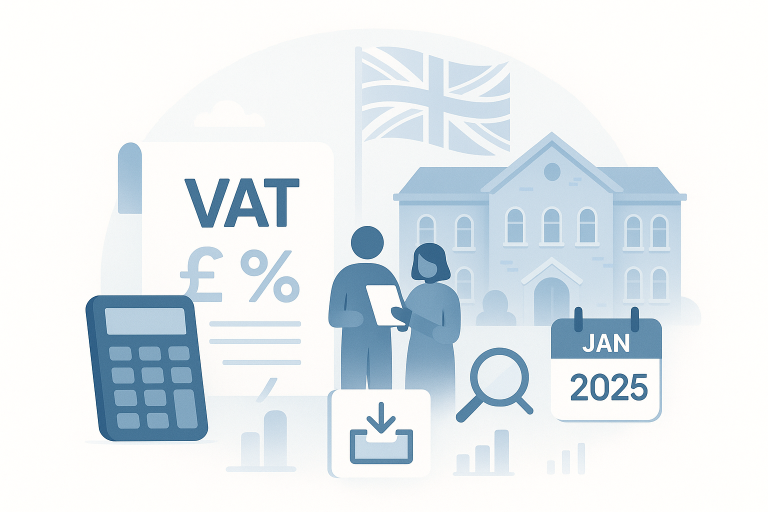
The upcoming implementation of a 20% VAT on private school fees from January 2025 marks a significant shift in the UK’s VAT landscape. This policy change, part of announced fiscal reforms, affects independent schools, parents, and finance professionals responsible for tax planning and compliance. As the deadline approaches, updated HMRC guidance and an ongoing legal challenge from the Independent Schools Council in April 2025 may influence how VAT is applied in practice. This article explores the latest developments, outlines practical compliance steps, and offers insight into pre-registration VAT recovery options.
Overview of the VAT Change Affecting Private Schools
Historically, independent schools in the UK have been exempt from charging VAT on school fees as their services met the criteria for VAT exemption under Schedule 9 of the VAT Act 1994. This is now changing with the planned removal of the exemption beginning 1 January 2025. From this date, most supplies made by private schools — including tuition fees — will become standard-rated at 20%.
Who Is Affected?
- Independent/private schools that charge fees for education
- Parents or guardians paying for education after January 2025
- Finance teams and bursars responsible for VAT returns, fee billing, and budgeting
Charitable status of schools does not exempt them from applying VAT to eligible supplies under the revised position.
Key HMRC Implementation Guidance
HMRC has issued preliminary guidance in 2024 to assist schools in preparing for the VAT transition. This guidance covers VAT registration obligations, invoicing, fee treatment, and input tax recovery. The critical elements include:
1. VAT Registration
Private schools not currently VAT-registered must do so once they participate in standard-rated activities. Schools should apply for VAT registration ahead of January 2025 to avoid late registration penalties. Consider the following:
- Assess taxable turnover – includes all fees and activities becoming standard-rated
- Submit an online VAT registration application by Autumn 2024
- Establish VAT accounting procedures and staff training in advance
2. Pre-Registration Input VAT Recovery
HMRC has issued updated rules permitting schools to reclaim input VAT on costs incurred before VAT registration, provided the goods or services relate to taxable supplies occurring after January 2025. Examples include:
- Marketing campaigns for academic years beginning after the change
- Renovations done in 2024 for classrooms or facilities used in 2025 onward
- IT system upgrades for billing or VAT compliance
To reclaim this VAT post-registration, schools must maintain clear records showing a direct link between earlier costs and future taxable activities. HMRC requires consistency with Input Tax rules under VAT Notice 700/1.
Legal and Judicial Developments
High Court Challenge by Independent Schools Council
The Independent Schools Council (ISC) has announced a formal legal challenge, scheduled for April 2025, to contest the lawfulness or implementation mechanism of the VAT reform. While this challenge proceeds, schools are advised to prepare on the assumption that VAT becomes applicable from January 2025.
Finance professionals should note:
- Legal proceedings do not delay or suspend the implementation unless a court order is issued
- Any retrospective adjustments from legal rulings will be clarified in subsequent HMRC updates
Compliance Steps for School Finance Teams
Short-Term Actions (Mid to Late 2024)
- Review service offerings to identify all activities moving from exempt to standard-rated
- Engage VAT advisors for segmented invoicing and cost allocation planning
- Adjust finance systems to manage VAT invoices and return submissions
- Notify parents and fee payers about VAT impact on upcoming terms
Ongoing VAT Compliance (From January 2025)
- Issue VAT-compliant invoices for applicable services
- File accurate VAT returns and remit VAT payments quarterly or monthly
- Monitor mixed-use inputs carefully to apportion input tax fairly between taxable and exempt activities
- Update staff training and internal accounting policies to reflect VAT treatment
Impacts on Other Educational Services
While the current reform targets independent schools, other educational institutions and service providers should also monitor the outcome of this policy shift. In the broader EU context, private education services across many member states are either exempt or reduced-rated, depending on local implementation of the VAT Directive. However, the UK no longer follows EU VAT harmonisation and is setting its own approach post-Brexit.
Looking Ahead: What Businesses Should Monitor
- HMRC guidance updates on practical treatment, refunds, and VAT return adjustments
- Court proceedings in April 2025 for potential implications on compliance costs and VAT scope
- Political developments that may influence education tax policy in future parliaments
Conclusion
The introduction of VAT on private school fees from January 2025 requires careful preparation by finance leaders in educational institutions. With HMRC providing updated input VAT recovery guidance and a judicial process under way, schools must remain proactive, informed, and compliant. Early registration, invoicing readiness, and input tax planning are critical to minimising disruption and ensuring accurate VAT accounting. As developments unfold, VATtools.com will continue to offer timely analysis and compliance resources for affected institutions and their advisors.